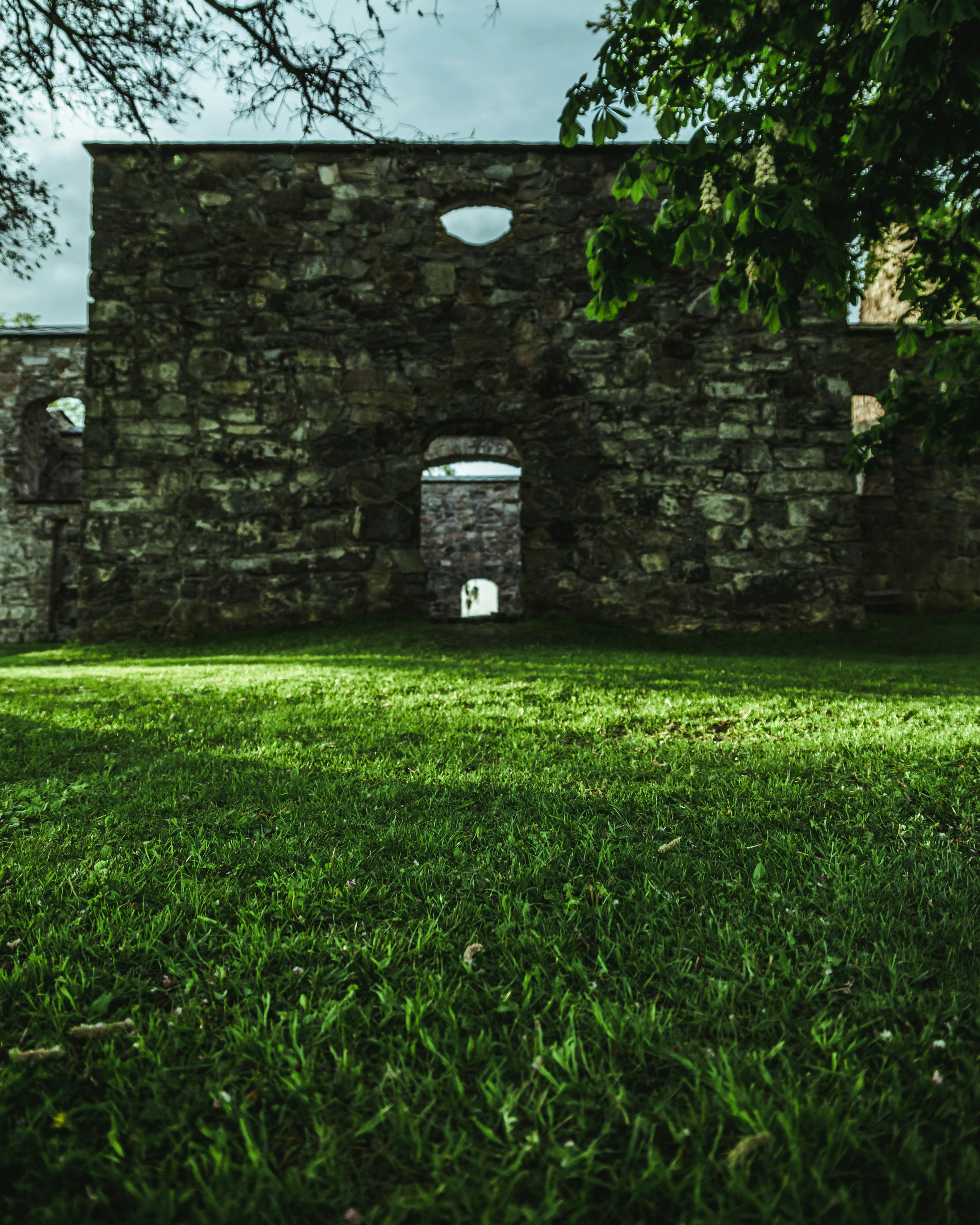
The Park That Refused to Disappear
In a city where land is constantly being repurposed, redeveloped, and erased, very few places survive exactly as they were intended. Skyscrapers rise, rail lines cut through neighbourhoods, and shorelines are redrawn — yet somehow, this one green space endured.
At first glance, it feels calm. Ordinary, even. But beneath its trees lies a story of political pressure, urban ambition, and quiet resistance. This park wasn’t preserved by accident — it survived because people fought for it, long before environmentalism became fashionable.
Today, it stands as one of the city’s most peaceful landscapes, shaped as much by what didn’t happen here as by what did... Welcome To High Park
The First Threat: Why This Land Was Never Meant to Stay Green
From the beginning, this land was seen as temporary.
In the late 19th and early 20th centuries, Toronto was expanding at an unforgiving pace. Industry pressed outward, rail lines carved up neighborhoods, and land near the water or major routes was viewed as an opportunity — not a sanctuary. Parks were luxuries, and luxuries were expendable.

Photo Courtesy: Toronto Guardian
This particular stretch of land sat in the crosshairs of progress. Its location made it attractive for factories, warehouses, and infrastructure projects, and for years, city planners debated its “best use.” Green space, they argued, did not generate revenue. Development did.
As industrial activity crept closer, the environment began to suffer. Pollution seeped into the soil and water. The area’s natural features — once seen as assets — were rebranded as obstacles to efficiency. More than once, official proposals suggested repurposing the land entirely, replacing trees and paths with concrete and commerce.
What saved the park, at least temporarily, wasn’t a grand vision — it was neglect. Development stalled. Plans changed. Budgets shifted. And in those pauses, the park lingered.
But survival by accident is fragile.
By the mid-20th century, the threat returned with renewed force. This time, the arguments were sharper, the stakes higher, and the possibility of erasure very real.
The Turning Point: How High Park Nearly Vanished
Once a park refusing to disappear, today, it’s one of Toronto’s most beloved green spaces — sprawling, wild, and unmistakably protected. But for much of its existence, High Park’s future was anything but secure.
High Park began as private land. In 1873, it was sold to the City of Toronto by John George Howard, an architect and surveyor who envisioned the land as a public park “for the free use, benefit, and enjoyment of the citizens of Toronto forever.” That word — forever — would soon be tested.

Photo Courtesy: City of Toronto Archives
Howard’s vision was unusual for its time. Unlike formal Victorian parks filled with manicured lawns and strict layouts, he wanted High Park to remain largely natural. Rolling hills, oak savannahs, ravines, and wetlands were to be preserved, not reshaped.
But as Toronto grew through the late 19th and early 20th centuries, the land surrounding High Park became increasingly valuable. Streetcar lines expanded west. Neighborhoods filled in. And city planners began eyeing the park as underused real estate.
At various points, proposals surfaced to:
Subdivide parts of the park for housing
Introduce large-scale recreational facilities and paved roadways
Flatten sections of natural terrain to “modernize” the space
The most serious threats came in the early-to-mid 20th century, when urban planning prioritized efficiency over ecology. In other cities, parks were reduced, reshaped, or sacrificed entirely to development. High Park stood directly in that danger zone.
What saved it wasn’t a single decision — it was persistent resistance.
Local residents, naturalists, and advocates argued that High Park wasn’t just land; it was a rare ecological system. One of the last remaining oak savannah habitats in the region. A living record of what southern Ontario looked like before settlement.
Bit by bit, that argument gained traction.
By the latter half of the 20th century, the narrative shifted. High Park was no longer seen as undeveloped land waiting for improvement — it was recognized as irreplaceable.
And once that realization set in, the park didn’t just survive.
It became untouchable.
What Makes High Park Different: Nature That Was Never Tamed
What immediately sets High Park apart from most urban parks is that it doesn’t feel engineered. There are no perfect sightlines, no symmetrical paths, no sense that nature was trimmed into submission. That’s intentional.
From the beginning, High Park was meant to remain largely untouched. While other parks were sculpted to reflect Victorian ideals of order and control, High Park was allowed to behave like an ecosystem — unpredictable, layered, and alive.
A Rare Landscape in the Middle of a City
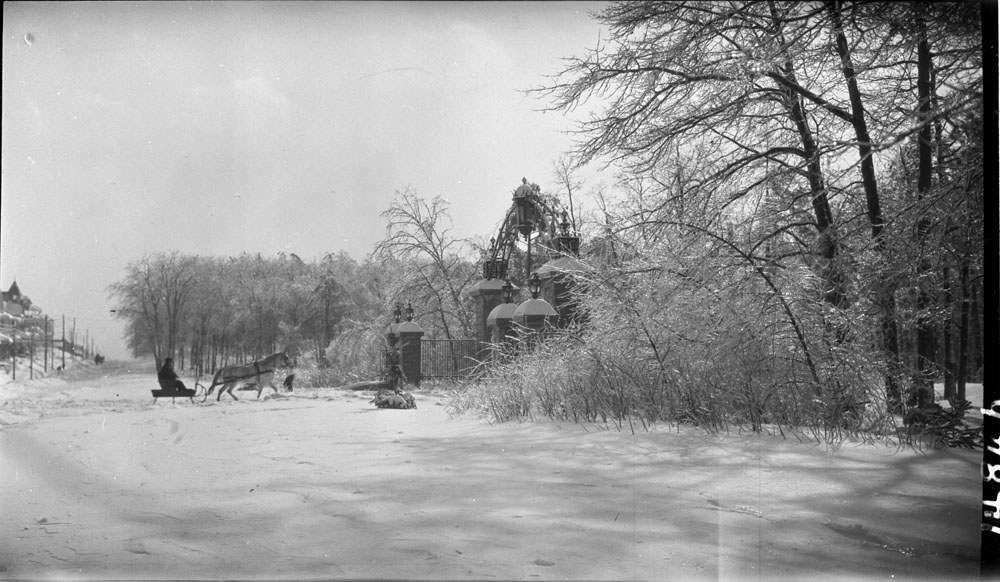
Photo Courtesy: City of Toronto Archives
High Park protects one of the last remaining oak savannah ecosystems in the region — a habitat so rare that less than one percent of it remains in Ontario today. These open woodlands, shaped by fire and time, support plant and animal species that simply can’t survive elsewhere in the city.
Walking through the park, you’ll notice sudden shifts in terrain:
Open meadows that feel almost rural
Shaded forest paths that block out the city entirely
Ravines that drop away unexpectedly
Wetlands that attract birds, amphibians, and pollinators
This variety isn’t accidental — it’s the result of preservation, not landscaping.
Resisting the Urge to ‘Improve’
For decades, there were calls to “fix” High Park. Straighten paths. Add more pavement. Introduce attractions. But each intervention risked damaging the delicate balance that made the park special.
Instead, the city gradually adopted a conservation-first approach. Controlled burns were reintroduced to maintain the oak savannah. Invasive species were removed. Trails were adjusted to protect sensitive areas rather than dominate them.
The goal became protection, not polish.
Why It Feels Different
High Park doesn’t offer instant spectacle. It rewards time and attention. The more slowly you move, the more you notice — wildflowers tucked into grasslands, birdsong echoing through ravines, sudden quiet that feels impossible in a city this large.
That sense of authenticity is exactly why the park endured.
Visiting High Park Today: How to Experience It Right
High Park rewards intention. It’s not the kind of place you rush through or “do” in an hour. The best visits feel unplanned — guided more by curiosity than a checklist.
Best Times to Visit
Early morning is when the park feels most like itself. Fewer people, more wildlife, and a calm that’s rare in the city.
Late afternoon into sunset offers dramatic light through the trees and long shadows across the meadows.
Spring brings wildflowers and cherry blossoms, but also crowds — arrive early if you want quiet.
Fall is arguably the park’s most honest season: cooler air, changing leaves, and space to wander without distraction.
Where to Wander
The Oak Savannah & Grenadier Pond area — where the park’s ecological heart is most visible.
The Ravines — paths dip suddenly into wooded corridors that feel completely detached from the surrounding city.
Lesser-used trails off the main routes — where the park’s wild character still dominates.
Avoid sticking only to the paved paths. The soul of High Park lives just beyond them.
What to Notice
The absence of symmetry — paths curve with the land instead of against it.
How quickly sound changes — traffic fades, birdsong replaces it.
Native plants and grasses that aren’t decorative, but functional.
This park doesn’t perform. It exists.
Things to Know
Some areas are intentionally restricted to protect fragile ecosystems — these aren’t limits, they’re safeguards.
Wildlife is common. Respect distance and avoid feeding animals.
The park changes mood with weather — fog, light rain, or snow transform it completely.
A Different Kind of Park Visit

Photo Courtesy: viewthevibe.com
High Park doesn’t compete with attractions. It offers something quieter: continuity. The same land, resisting change, while the city reshaped itself around it.
And once you understand that, you stop treating it like a park — and start treating it like a privilege.


