Inside TIFF: How Toronto's Film Festival Transforms Into the World's Most Accessible Celebrity Playground
A 6-minute deep dive into navigating the Toronto International Film Festival like an industry insider, not a tourist
Every September, Toronto undergoes one of the most dramatic urban transformations in North America as the Toronto International Film Festival converts Canada's largest city into what industry insiders call "Hollywood North's coming-out party." But TIFF isn't just another film festival—it's a complex ecosystem of premieres, parties, business deals, and cultural conversations that temporarily repositions Toronto as the center of the global entertainment industry. Understanding how to navigate this transformation requires recognizing that TIFF operates on multiple levels simultaneously: as a public celebration of cinema, as a crucial industry marketplace, and as a cultural phenomenon that reveals Toronto's ambitions to be recognized as a major international cultural capital.
Understanding TIFF's Unique Position in the Global Film Festival Circuit
To truly grasp what makes TIFF extraordinary, we need to understand its strategic position within the international film festival ecosystem and how this positioning creates opportunities that don't exist at other major festivals. Unlike Cannes, which operates as an exclusive industry event, or Sundance, which focuses primarily on independent cinema, TIFF has deliberately positioned itself as a festival that bridges the gap between industry professionals and general audiences while maintaining the highest levels of cinematic quality and industry relevance.
This strategic positioning emerged from Toronto's geographic and cultural advantages as a film festival location. The city's proximity to both New York and Los Angeles, combined with favorable currency exchange rates and sophisticated urban infrastructure, made Toronto an attractive location for a festival that could serve multiple constituencies simultaneously. Over the past five decades, TIFF has leveraged these advantages to become what many industry professionals consider the most important film festival in North America and the second most significant globally after Cannes.
What makes TIFF particularly fascinating from a cultural perspective is how the festival has evolved to reflect and amplify Toronto's identity as one of the world's most multicultural cities. The festival's programming consistently showcases international cinema in ways that reflect the global communities that call Toronto home, while its industry programming has become a crucial launching pad for films seeking North American distribution. This combination of cultural authenticity and commercial significance creates a festival environment unlike anywhere else in the world.
The festival's timing, occurring in September immediately after the Venice Film Festival and just before the New York Film Festival, positions TIFF as a crucial link in the awards season ecosystem. Films that premiere at Venice often use TIFF as their North American launch platform, while movies aiming for Oscar consideration use the festival to build momentum with industry professionals and critics. Understanding this timing helps explain why TIFF attracts such extraordinary levels of industry attention and why the festival has become an essential stop for anyone seriously involved in the film business.
The Geography of TIFF: How the Festival Transforms Toronto's Urban Landscape
Understanding how TIFF transforms Toronto requires recognizing that the festival doesn't simply occupy existing venues—it temporarily reconfigures the city's cultural and commercial geography to create what festival organizers call "a city-wide cinema." This transformation involves not just obvious changes like red carpets and marquees, but fundamental alterations to traffic patterns, security protocols, and social dynamics that affect how the entire downtown core functions during festival week.
The festival's headquarters at TIFF Bell Lightbox serves as the nerve center for this urban transformation. The building, which opened in 2010, was specifically designed to function as both a year-round cultural institution and the operational center for the annual festival. Its five cinemas, exhibition spaces, restaurant, and retail areas create a space that can accommodate everything from intimate screenings for industry professionals to major premieres attended by thousands of fans and media representatives.
But the festival extends far beyond the Lightbox to encompass venues throughout downtown Toronto, creating what urban planners call "festival urbanism"—a temporary reorganization of city space designed to support large-scale cultural events. The Royal Alexandra Theatre, Princess of Wales Theatre, Roy Thomson Hall, and numerous smaller venues are incorporated into the festival circuit, while hotels, restaurants, and retail establishments throughout the Entertainment District reconfigure their operations to serve festival attendees.
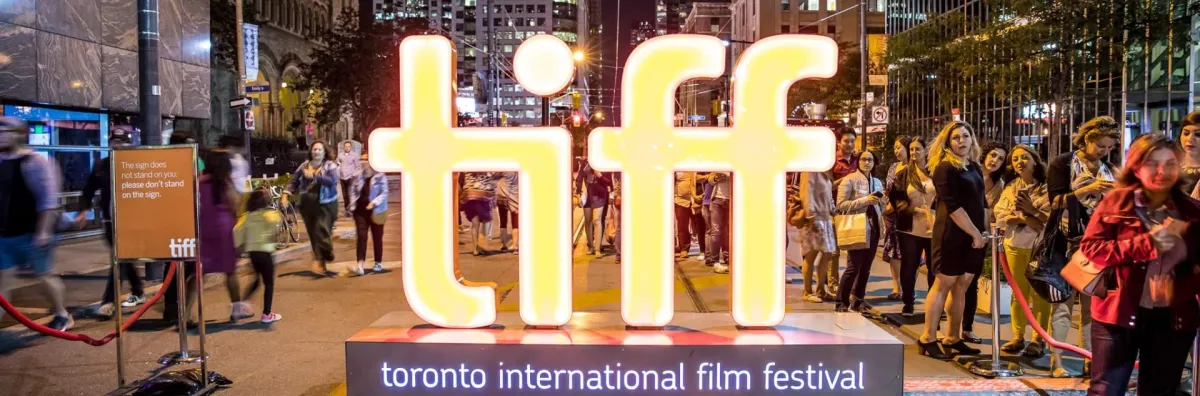
The most visible aspect of this urban transformation involves the street-level changes that create the festival atmosphere tourists and locals associate with TIFF. King Street West becomes a pedestrian-friendly corridor lined with barriers designed to manage crowds while maintaining vehicle access for industry transportation. Red carpets appear at multiple venues, creating photo opportunities and media zones that transform ordinary sidewalks into temporary stages for celebrity appearances and fan interactions.
Understanding this geographic transformation helps explain why TIFF can simultaneously serve industry professionals seeking efficient access to screenings and business meetings, celebrities requiring secure transportation and private spaces, and general audiences wanting to participate in the festival excitement. The festival's spatial organization creates multiple overlapping experiences that allow different groups to engage with TIFF according to their interests and access levels.
The Hierarchy of Access: Understanding TIFF's Ticketing and Credentialing System
TIFF operates on a sophisticated hierarchy of access that determines what screenings, events, and experiences are available to different categories of festival participants. Understanding this system is crucial for anyone wanting to navigate TIFF effectively, whether as an industry professional, serious film enthusiast, or casual participant in the festival excitement.
At the highest level of access are industry professionals with accreditation that provides entry to all festival screenings, industry events, and professional development programming. This accreditation includes distributors, sales agents, producers, directors, critics, and other film industry professionals who use TIFF as a business venue as much as a cultural event. Industry accreditation holders have access to priority seating, industry lounges, and networking events that aren't available to general audiences.
The next level includes various categories of press credentials that provide access to screenings, press conferences, and interview opportunities, but with different levels of priority and access depending on the media outlet and type of coverage. International press, national media, local entertainment reporters, and film bloggers all receive different types of access that reflect their perceived importance to festival publicity and industry coverage.
For general audiences, TIFF offers several different ticket packages and individual ticket options that provide varying levels of access to festival programming. Premium packages provide guaranteed access to multiple screenings and special events, while individual tickets for major premieres and high-profile screenings often sell out within minutes of going on sale. Understanding which screenings are likely to be accessible with different ticket types requires knowledge of festival programming patterns and audience demand.
The festival also offers various special access programs that provide opportunities for people who don't fit into traditional industry or press categories. Student programs, cultural community partnerships, and accessibility accommodations create pathways for participation that reflect TIFF's commitment to serving Toronto's diverse communities while maintaining its status as a major international industry event.
Celebrity Culture and Fan Interaction: TIFF's Unique Approach to Star Power
What distinguishes TIFF from other major film festivals is its approach to celebrity culture and fan interaction, which reflects both Canadian cultural values and Toronto's urban character. Unlike Cannes, where celebrity appearances are carefully controlled and access is highly restricted, or Sundance, where the small-town setting creates informal interactions, TIFF has developed a middle path that makes celebrity encounters more accessible while maintaining professional standards for industry events.
The festival's approach to red carpet events exemplifies this balance between accessibility and professionalism. TIFF red carpets are designed to accommodate both serious entertainment journalism and fan photography, with designated areas for professional photographers, interview zones for media, and viewing areas where general audiences can watch arrivals and departures. This configuration creates opportunities for fans to see celebrities up close while ensuring that industry business can proceed efficiently.
Toronto's urban geography contributes significantly to the accessibility of celebrity encounters during TIFF. Unlike festivals located in resort destinations or small towns, TIFF takes place in a major metropolitan area where celebrities stay in hotels, eat at restaurants, and move through public spaces that are accessible to locals and visitors. This creates opportunities for spontaneous encounters that don't exist at more controlled festival environments.
The festival has developed sophisticated crowd management and security protocols that balance public access with celebrity safety and comfort. These protocols involve coordination between festival security, Toronto Police, hotel security teams, and transportation providers to create secure corridors for celebrity movement while maintaining the open, welcoming atmosphere that has become associated with TIFF's brand identity.
Understanding how celebrity culture operates at TIFF requires recognizing that stars attend the festival not just for premieres and publicity events, but for industry meetings, networking opportunities, and business development that may be invisible to general audiences. Many of the most significant celebrity presence at TIFF occurs in private industry venues, exclusive restaurants, and hotel meeting spaces rather than at public events that attract media attention.
The Business of TIFF: How the Festival Functions as an Industry Marketplace
Behind the glamour and red carpets, TIFF operates as one of the most important industry marketplaces in the global film business, facilitating deals worth hundreds of millions of dollars and launching films that will shape popular culture for years to come. Understanding this business dimension of TIFF reveals how the festival has become essential infrastructure for the international film industry rather than simply a cultural celebration.
The festival's industry programming includes sophisticated market screenings designed specifically for distributors, sales agents, and other industry professionals who need to evaluate films for potential acquisition or distribution deals. These screenings often occur at different times and venues than public screenings, allowing industry professionals to view films in environments conducive to business evaluation rather than audience entertainment.
TIFF's Industry Centre provides dedicated space for business meetings, deal negotiations, and networking events that constitute much of the festival's economic impact. The centre includes private meeting rooms, hospitality areas, and technology infrastructure designed to support complex international business transactions. During festival week, this facility operates as the temporary headquarters for hundreds of film companies conducting business worth millions of dollars.
The festival has also developed sophisticated data analytics and market research capabilities that provide valuable intelligence to industry participants. TIFF tracks audience response to films, media coverage patterns, and industry buyer behavior to generate insights that influence distribution strategies, marketing approaches, and future film development decisions. This data infrastructure makes TIFF valuable to industry professionals beyond its function as a screening venue.
Understanding the business dimension of TIFF helps explain why the festival attracts such high levels of industry participation and why it has become essential for films seeking North American distribution. The combination of industry access, market intelligence, and networking opportunities creates a business environment that justifies the significant costs associated with mounting major festival campaigns.
Strategic Navigation: Maximizing Your TIFF Experience Based on Your Goals
Successfully navigating TIFF requires developing a strategic approach based on your specific goals and interests rather than trying to experience everything the festival offers. Different types of festival participants—industry professionals, film enthusiasts, celebrity watchers, cultural tourists—require different strategies for maximizing their TIFF experience.
For serious film enthusiasts, the key to TIFF success involves advance research and strategic ticket purchasing that prioritizes films likely to be culturally or artistically significant over high-profile premieres that generate media attention but may not represent the festival's best programming. Understanding TIFF's programming patterns, including which sections typically showcase the most innovative cinema and which venues provide the best viewing experiences, allows film lovers to craft personalized festival experiences that match their cinematic interests.
Industry professionals need to balance screening attendance with networking opportunities, business meetings, and market intelligence gathering. Successful industry navigation of TIFF involves understanding which events provide the best access to potential business partners, which screenings are essential for staying current with industry trends, and how to efficiently move between venues and meetings in Toronto's downtown core.
For visitors primarily interested in celebrity culture and festival atmosphere, the key involves understanding the rhythm of TIFF's public events, knowing where and when celebrities are likely to appear, and developing realistic expectations about access and interaction opportunities. This approach requires knowledge of festival geography, timing patterns, and crowd management that can make the difference between frustrating experiences and memorable encounters.
Cultural tourists seeking to understand how TIFF reflects Toronto's broader cultural identity benefit from focusing on programming that showcases Canadian cinema, international films that reflect the city's multicultural character, and events that demonstrate how the festival integrates with Toronto's year-round cultural programming.
The Future of TIFF: Evolution in the Digital Age and Global Competition
As TIFF approaches its sixth decade, the festival faces challenges and opportunities that will determine its future role in the global film industry and Toronto's cultural landscape. Understanding these trends provides insight into how TIFF may evolve and what changes might affect future festival experiences.
The rise of streaming platforms has fundamentally altered how films are distributed and consumed, creating new opportunities and challenges for film festivals. TIFF has responded by developing partnerships with streaming services, incorporating virtual reality and interactive media into its programming, and expanding its year-round digital presence through online screenings and educational content.
Global competition among film festivals has intensified as cities worldwide recognize the economic and cultural benefits of hosting major cultural events. TIFF competes not just with established festivals like Cannes and Venice, but with newer festivals in emerging markets that offer different advantages to filmmakers and industry professionals.
The festival's commitment to diversity, equity, and inclusion reflects broader changes in the film industry and society, influencing programming decisions, industry partnerships, and community engagement strategies. These priorities may reshape how TIFF operates and what types of films and filmmakers receive festival support and promotion.
Climate change and sustainability concerns are increasingly influencing how major events like TIFF operate, potentially affecting everything from transportation and accommodation to venue selection and festival logistics. Understanding these environmental considerations provides insight into how TIFF may need to adapt its operations to remain relevant and responsible.
TIFF represents more than just a film festival—it's a complex cultural and economic phenomenon that temporarily transforms Toronto into the center of the global film industry while celebrating the city's identity as an international cultural capital. Whether you're an industry professional, film enthusiast, or curious visitor, understanding how TIFF operates helps you navigate this extraordinary annual transformation and appreciate its significance for both cinema and urban culture.
Header Image Courtesy: Destination Toronto


